Introduction
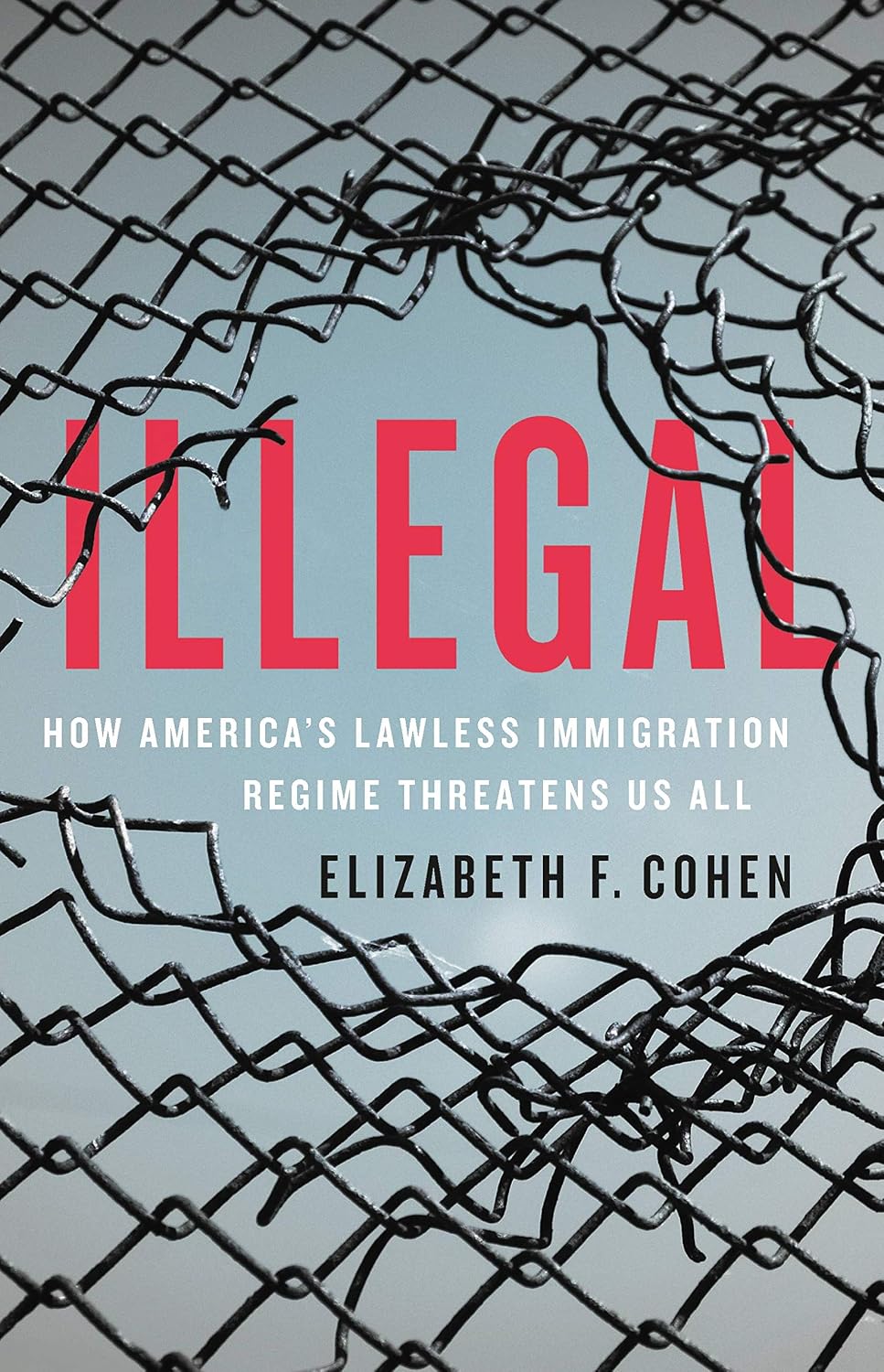
Elizabeth F. Cohen’s Illegal: How America’s Lawless Immigration Regime Threatens Us All is a politically charged examination of immigration policy, law enforcement, and the challenges surrounding America’s immigration system. Written from a perspective critical of current immigration practices, the book argues that weaknesses in immigration enforcement and legal structures have created a system that undermines public trust, national sovereignty, and the rule of law.
Cohen explores the idea that a nation’s immigration system is a fundamental part of maintaining order and that failures to consistently enforce immigration laws can create uncertainty and unintended consequences. The book presents arguments about how illegal immigration affects government institutions, communities, economic systems, and the broader relationship between citizens and the state.
Rather than focusing only on individual cases, Cohen takes a wider approach by examining how immigration policies are created, interpreted, and enforced. The result is a book designed to encourage debate about what immigration laws should accomplish and how a modern nation should balance humanitarian concerns with the responsibility to maintain secure borders and effective governance.
Overview of the Book’s Main Themes
At the center of Illegal is the argument that immigration law must have meaning and credibility. Cohen suggests that when laws exist but are inconsistently applied, the entire legal system can lose legitimacy. The author emphasizes that a functioning immigration system requires clear rules, reliable enforcement, and a shared understanding that legal processes matter.
The book explores several major themes:
- The importance of the rule of law
- The challenges of border security
- The impact of illegal immigration on communities
- The role of government agencies and policymakers
- The consequences of inconsistent immigration enforcement
- The relationship between immigration policy and public trust
Cohen’s central concern is not simply the existence of immigration but how a country manages immigration in a way that maintains fairness, stability, and confidence among its population.
Examination of the Immigration System
One of the strongest elements of the book is its focus on the structure of America’s immigration system. Cohen argues that immigration laws have become complicated, difficult to enforce, and vulnerable to political disagreements. The author examines how competing priorities among lawmakers, government agencies, courts, and advocacy groups have contributed to a system that many people view as ineffective.
The book discusses how immigration enforcement decisions can vary depending on political leadership, administrative priorities, and local circumstances. Cohen argues that inconsistent enforcement creates confusion about what the law actually requires and encourages continued violations.
Through this discussion, the book raises broader questions about government responsibility. If laws are created but not consistently applied, what effect does that have on public confidence? How can a country maintain a legal immigration process if illegal entry or overstaying legal status appears to have limited consequences?
These questions form much of the foundation of Cohen’s argument.
Discussion of Border Security
Border security is another major focus of Illegal. Cohen presents the border as a key component of national sovereignty and argues that controlling who enters a country is one of the basic responsibilities of government.
The book examines challenges associated with managing large numbers of unauthorized border crossings, including pressure on government resources, immigration agencies, and communities near the border. Cohen argues that weak enforcement policies can create incentives for more illegal immigration and make it harder for authorities to distinguish between different types of cases.
The author also discusses how border policy has become deeply connected to political debates. Immigration is not simply a question of enforcement, but also one of national priorities, economic needs, humanitarian concerns, and public safety.
The Rule of Law Argument
A major theme throughout the book is the concept of the rule of law. Cohen argues that laws only function when they are respected and consistently enforced.
The author suggests that immigration laws are different from many other laws because they determine who can legally enter and remain within a country. When immigration rules are ignored or selectively applied, Cohen argues that it can create a perception that legal pathways are less important than illegal ones.
This discussion extends beyond immigration. The book presents the idea that public trust in government depends heavily on whether citizens believe laws apply equally and fairly.
For readers interested in government, law, and public policy, this is one of the book’s most significant areas of discussion.
Effects on Communities and Society
Cohen explores how immigration policy affects communities across the United States. The book discusses concerns related to housing, education, healthcare systems, employment, public services, and local government responsibilities.
The author argues that communities may experience challenges when immigration levels exceed the ability of local institutions to respond effectively. Cohen emphasizes that immigration policy decisions made at the national level can have direct consequences for cities, towns, and states.
The book encourages readers to consider the practical effects of immigration policies beyond political arguments. It examines how local governments and residents experience the results of national immigration decisions.
Economic Considerations
Another important topic in Illegal is the economic impact of illegal immigration. Cohen discusses debates surrounding labor markets, wages, government spending, and economic competition.
The author argues that illegal immigration can create economic challenges by affecting employment opportunities and placing additional demands on public resources. The book presents the view that immigration policy should consider not only economic benefits but also costs and long-term consequences.
Economic discussions surrounding immigration are often complex, and Cohen’s analysis focuses primarily on the argument that immigration systems should operate within established legal frameworks.
Writing Style and Presentation
Cohen writes in a style aimed at a general audience rather than only academics or policy experts. The book combines political analysis, legal discussion, and commentary on government systems.
The writing is direct and argumentative, making the author’s position clear throughout the book. Readers who agree with Cohen’s perspective may find the arguments compelling and well organized, while readers with different views may challenge some of the assumptions and conclusions presented.
The book is designed to provoke discussion rather than provide a neutral overview of every perspective on immigration policy. It is best understood as an argument-driven work that presents a specific interpretation of America’s immigration challenges.
Strengths of the Book
One of the book’s greatest strengths is its focus on the importance of legal systems and government accountability. Cohen raises important questions about whether laws can remain effective when enforcement becomes inconsistent.
The book also succeeds in encouraging readers to think about immigration as a system rather than only as individual cases. By examining institutions, policies, and consequences, Cohen presents a broader discussion of how immigration decisions affect society.
Another strength is the book’s emphasis on public trust. The author highlights a concern shared by many citizens across political viewpoints: people want confidence that government policies are understandable, predictable, and fairly applied.
Criticism and Limitations
Because the book takes a strong position on immigration policy, some readers may view it as one-sided. Immigration is a complex issue involving security, economics, humanitarian concerns, demographics, and international relationships. Readers who support more expansive immigration policies may disagree with Cohen’s conclusions or believe the book gives insufficient attention to other perspectives.
Some readers may also find that the book focuses heavily on enforcement and legal issues while giving less attention to broader factors that influence migration, such as economic conditions, international instability, or the experiences of immigrants themselves.
The book is best approached as a contribution to the immigration debate rather than a complete examination of every aspect of the issue.
Who Should Read This Book?
Illegal: How America’s Lawless Immigration Regime Threatens Us All may appeal to readers interested in:
- Immigration policy
- Border security
- Government accountability
- Law enforcement issues
- Political debates in the United States
- National sovereignty and citizenship
- Public policy discussions
It may especially interest readers who want to explore arguments about immigration enforcement and the role of government in maintaining legal order.
Final Verdict
Elizabeth F. Cohen’s Illegal: How America’s Lawless Immigration Regime Threatens Us All is a strongly argued examination of America’s immigration system and the consequences of what the author describes as ineffective enforcement and weakened legal standards.
The book’s central message is that immigration laws must be meaningful, consistently applied, and supported by effective government institutions. Cohen challenges readers to consider how immigration policy affects national identity, public trust, and the relationship between citizens and their government.
While readers may disagree with some of the book’s arguments or conclusions, it provides a significant contribution to ongoing discussions about immigration, law enforcement, and government responsibility. For those interested in the debate over America’s immigration system, Illegal offers a detailed and thought-provoking perspective on one of the most controversial issues facing the country today.


